4 November 2026, Tunis
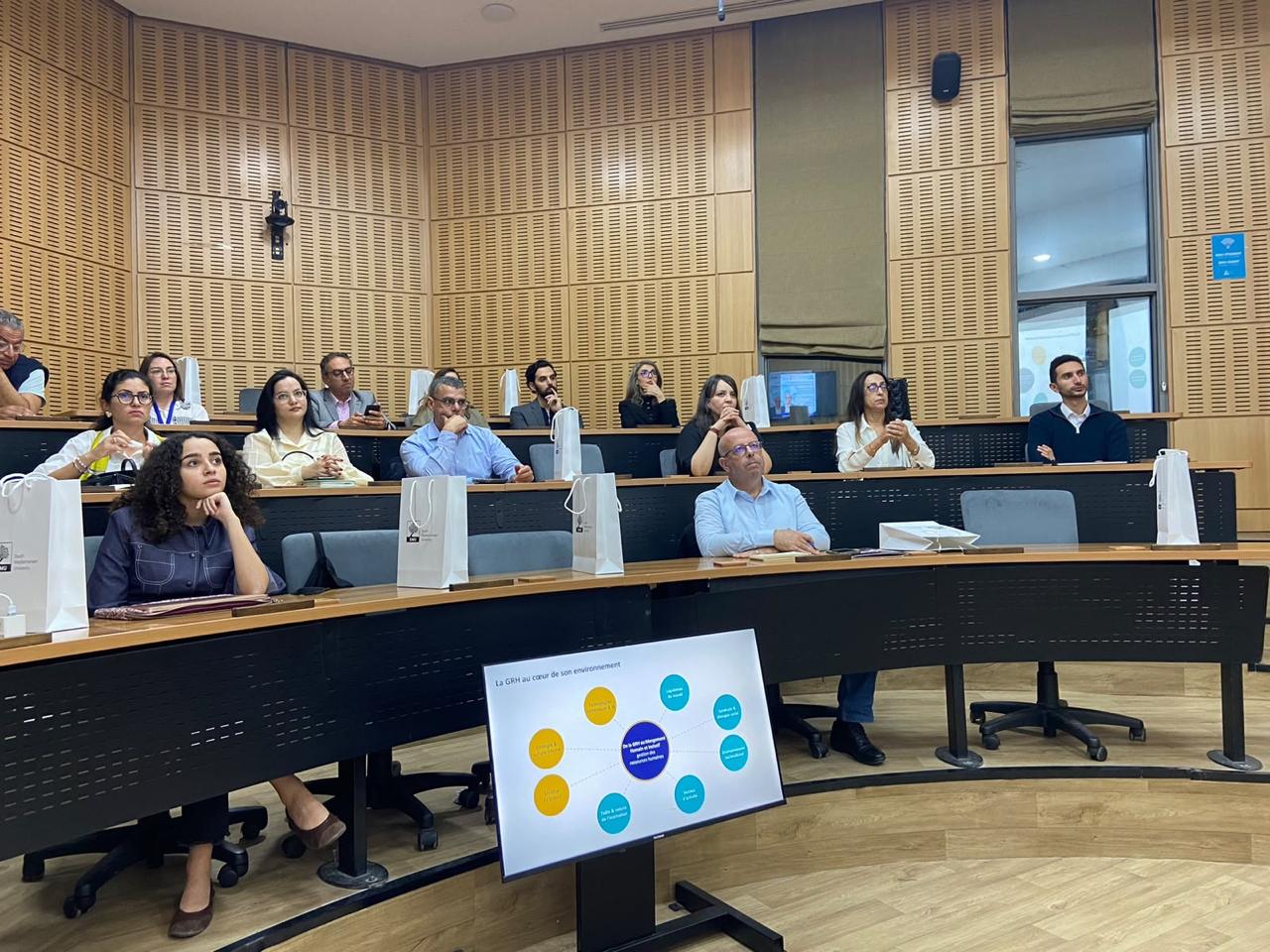
The session was built around one question: how can emotional intelligence, artificial intelligence and organisational intelligence together reshape HR practices and leadership? It brought together students, HR professionals, managers and business leaders for an afternoon of reflection and discussion on how the people function is changing.
Why this conversation matters now
Human Resources is going through one of the biggest changes in its history. Digital tools and AI are changing how companies recruit, train, evaluate and retain talent. Tasks that once took HR teams days can now be automated in minutes, and data now shapes decisions that used to rely mostly on intuition.
At the same time, expectations at work are rising. Employees want meaningful work, good leadership, wellbeing and flexibility. Organizations have to stay agile in an uncertain environment. In this context, technical efficiency is not enough. The future of HR depends on balancing technology with human judgment and collective intelligence.
This is where the three intelligences meet, and why the topic matters for any organization, in Tunisia or elsewhere.
Emotional intelligence: the human core of HR
The session first looked at emotional intelligence: the ability to understand and manage one’s own emotions and to recognize and respond to the emotions of others. For leaders and HR professionals, it underpins trust, engagement, conflict resolution and effective communication.
As more processes are automated, these human skills become more valuable, not less. Empathy, active listening and the ability to support people through change are things technology cannot replace. They remain central to good leadership.
Artificial intelligence: opportunities and responsibilities
The discussion then turned to artificial intelligence and its growing role in HR. AI-powered tools now support CV screening, skills mapping, employee analytics, personalized training and workforce planning. Used well, they can free HR teams from repetitive work so they can focus on strategic, people-centred tasks.
The session also raised the questions that come with these tools: data privacy, fairness and bias in algorithms, and the need for human oversight. Artificial intelligence works best when it is guided by human values and judgment.
Organisational intelligence: learning and adapting together
The third part focused on organisational intelligence: an organization’s collective ability to learn, share knowledge, adapt to change and turn information into coordinated action. It depends on culture, structures and leadership as much as on individual talent.
HR has a key role in building this capacity, by encouraging collaboration, developing skills, keeping knowledge within the organization and creating an environment where people and teams can grow.
Where the three intelligences meet
The session’s main message was that these three forms of intelligence should not be treated separately. The HR function of the future will combine all three: technology to inform decisions, emotional intelligence to lead people, and organisational intelligence to help the whole organization learn and evolve. For leaders and HR practitioners, the challenge is to make them work together.
This event reflects TBCC’s commitment to connecting the academic and business communities and to sharing knowledge on topics that shape the future of work.
Stay connected
TBCC regularly organizes events, masterclasses, and networking opportunities for its members and the wider business community. To follow upcoming activities and learn more about membership, visit the TBCC website, Instagram, Facebook and LinkedIn.